24 Best Screen-Free Gifts for Kids by Age: An OT’s Holiday Gift Guide
Every December, somebody asks me what to buy the kids — and every December, I say the same thing: buy the thing they’ll still be playing with in March. Screens are fine in their place, but a gift that builds something — hand strength, balance, patience, imagination — keeps paying off long after the wrapping paper is gone.
I’m Allison Ramsey, a pediatric occupational therapist. I’ve spent 16 years in school-based practice, and I own OT4U, LLC, where I contract with two school districts. I’ve watched thousands of kids play. These are the gifts I’d actually buy — organized by age, four picks each, all screen-free, all chosen because they build real developmental skills while being genuinely fun.
Babies (0–12 Months)
Manhattan Toy Winkel Rattle & Sensory Teether
The baby gift I recommend more than any other. The Winkel is a maze of soft, BPA-free teething tubes around a center cube with a quiet rattle inside. A newborn can’t do much with it, but somewhere around 3–4 months those loops become the easiest thing in the world to grab — and grabbing is the whole job at this age. It builds grasping and two-handed play, the rattle teaches cause and effect, and the tubes are perfect for sore gums (you can even refrigerate it).
The honest limits: it’s a first-year toy. By 12–18 months most babies have moved on, so don’t expect a long lifespan. Determined teethers can eventually chew through the soft tubes, so retire it when you see wear. And it’s light enough to get launched across the room — consider that a feature, since chasing it builds motivation to move.
Typically around $13–18.
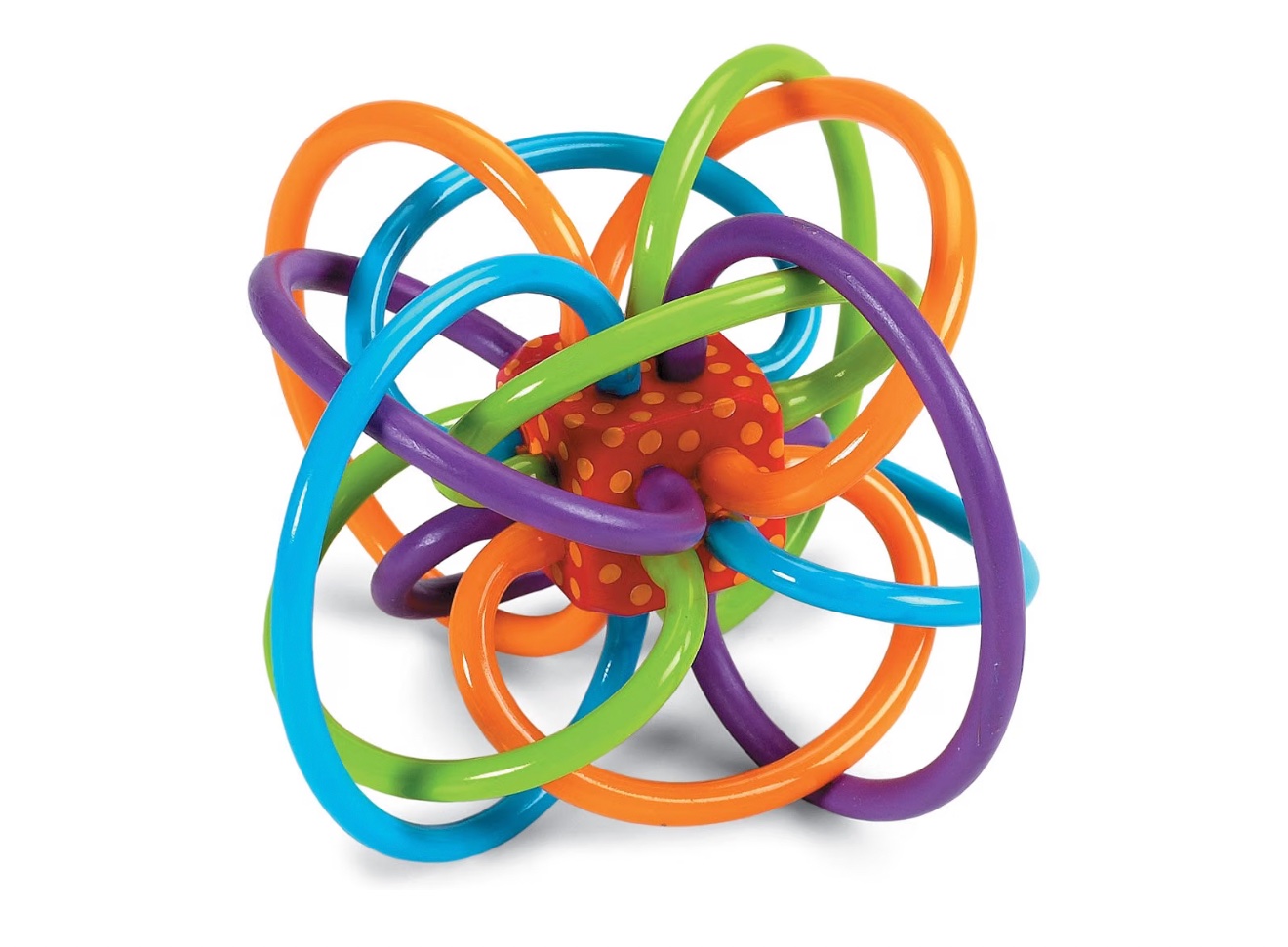
Manhattan Toy Winkel Rattle & Sensory Teether on Amazon
Best for: Newborns to 12 months — the grab-it, shake-it, chew-it first toy that actually earns its reputation.
Fisher-Price Rock-a-Stack
The classic for a reason. Five colorful rings on a wobbly base — baby bats at it, then grasps the rings, then starts stacking them (in whatever order they please, which is developmentally perfect). It builds hand-eye coordination, grasp and release, and the earliest problem-solving: big ring doesn’t fit on the small post. The rocking base adds visual tracking and cause-and-effect play for younger babies.
The honest limits: there’s not much to it, and that’s both the point and the limit. Older toddlers lose interest once the stacking challenge is mastered. The rings will end up under every piece of furniture you own. But at this price, nothing else gives you this much developmental mileage per dollar.
Typically under $10.
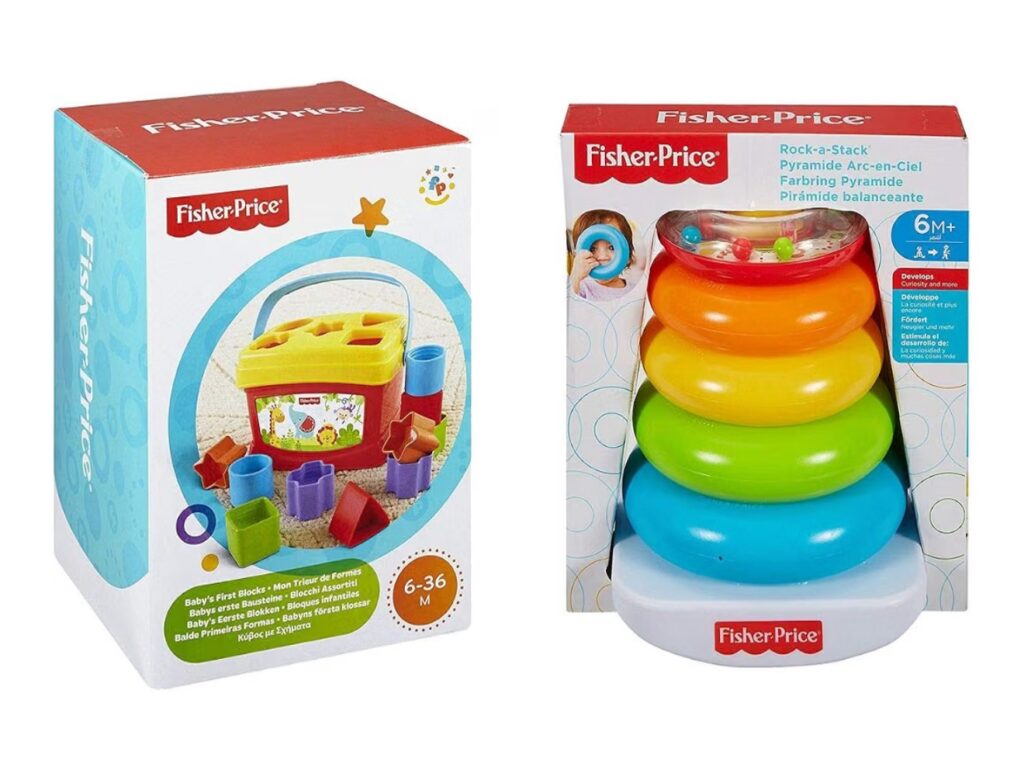
Fisher-Price Rock-a-Stack on Amazon
Best for: 6 months and up — the budget gift that teaches stacking, sequencing, and persistence.
The First Years Stack & Count Stacking Cups
Nesting and stacking cups are the rare baby toy that never really gets old. Eight bright cups that nest, stack, hide things underneath — and because each one has holes in the bottom, they double as bath and water-table toys. It builds grasping and release, hand-eye coordination, and the earliest cause-and-effect thinking: stack them, knock them down, do it again. The big numbers embossed on the bottom give older toddlers a first look at counting.
The honest limits: they’re simple, and an older toddler will eventually outgrow the stacking challenge — but they migrate to the bathtub and stay useful there. The cups are light enough to throw, so expect them launched across the room (aim for soft landings). BPA-free plastic, ages 6 months and up.
Typically around $5–8.
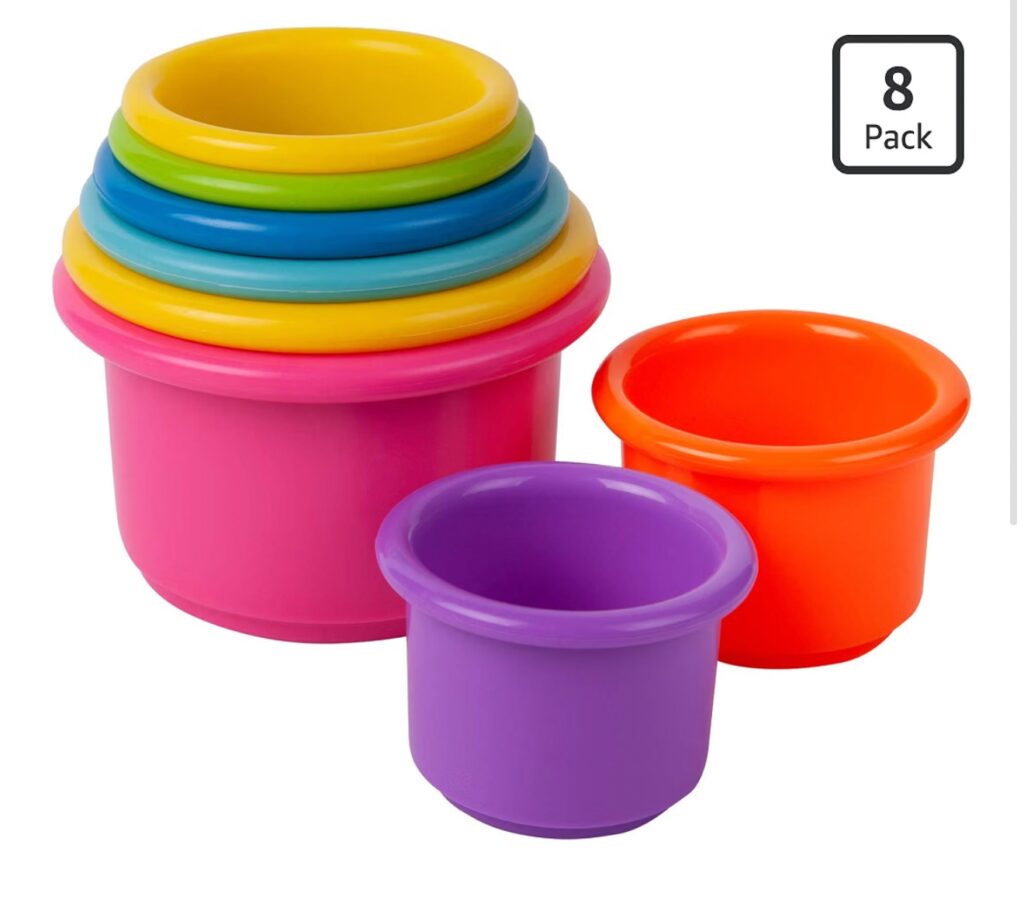
The First Years Stack & Count Stacking Cups on Amazon
Best for: 6 months and up — the nesting, stacking, pouring classic that works in the tub too.
Manhattan Toy Fairytale Peek-a-Boo Soft Activity Crinkle Book
A baby’s first book should be a toy first and a book second, and this one gets that. Crinkly fabric pages, different textures on every spread, a tethered squeaker bunny that follows the story, peek-a-boo flaps, and a loop to hang it from the stroller or car seat. It builds grasping, tactile exploration, visual tracking, and cause-and-effect — and it gives you something to actually do together during tummy time. Safety rated from birth, surface washable.
The honest limits: it’s a soft toy with a soft-toy lifespan — determined chewers will eventually wear through a page or a ribbon, so check it over now and then. Machine washing is not recommended, which matters because baby things get gross. And at this price it’s a gift, not a stocking stuffer.
Typically around $15–22.
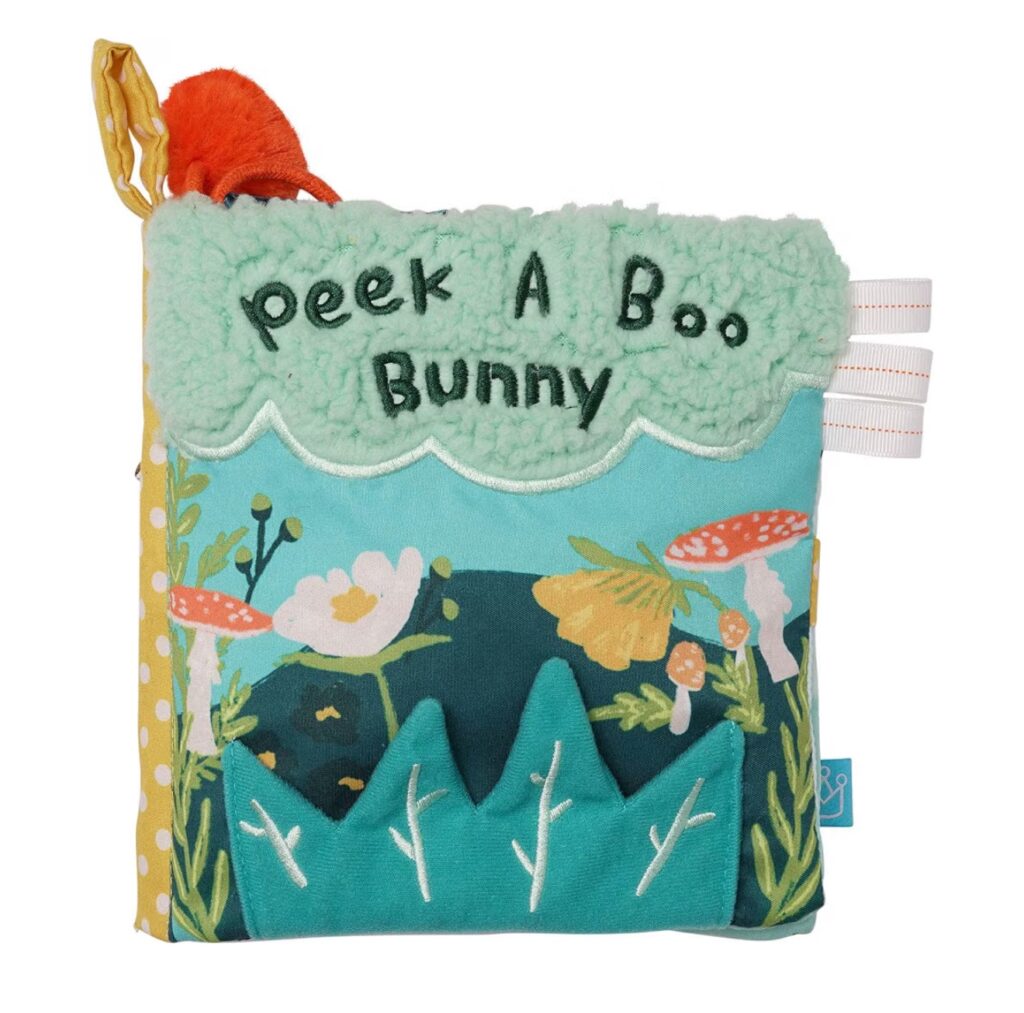
Manhattan Toy Fairytale Peek-a-Boo Soft Activity Crinkle Book on Amazon
Best for: Newborns and up — tummy time, travel, and the baby who puts everything in their mouth.
Toddlers (1–2 Years)
MEGA BLOKS First Builders Big Building Bag (80 Pieces)
The right first blocks. These are chunky enough for a one-year-old to grip, stack, and pull apart with one hand, and there are 80 of them in 10 shapes and 9 colors. At first it’s all knock-down (glorious), then stacking two or three, then actual building. It builds fine motor control, bilateral coordination (two hands working together), creativity, and early color and shape learning. The storage bag matters more than it sounds — cleanup is part of the play routine.
The honest limits: 80 pieces sounds like a lot until a toddler discovers dumping. The connections loosen with heavy use, and by age 4–5 most kids are ready to graduate to real LEGO. For the 1–3 window, though, these are exactly right — LEGO’s small pieces aren’t safe for kids who still mouth everything.
Typically around $18–22 (the Amazon listing below is the blue bag).
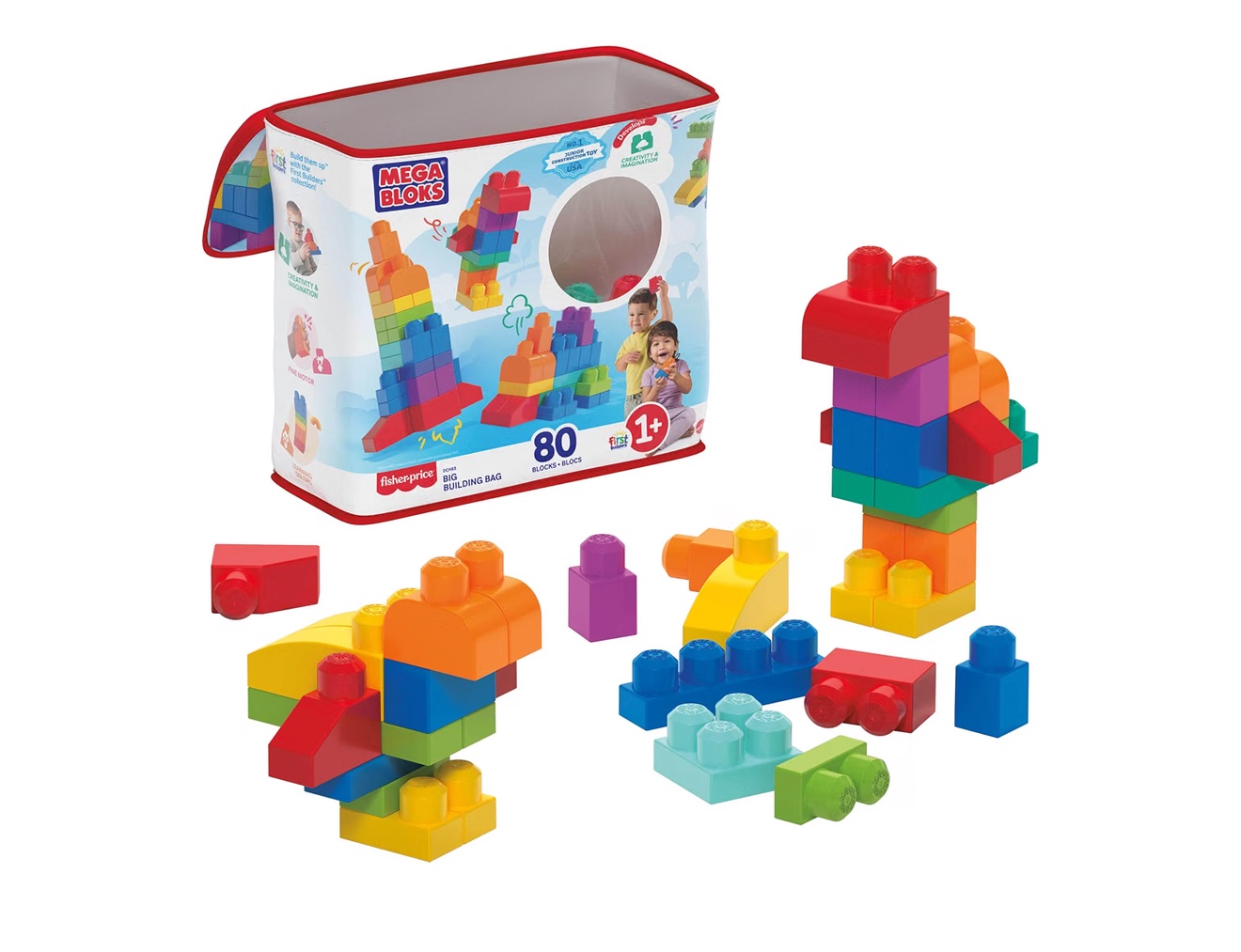
MEGA BLOKS First Builders Big Building Bag on Amazon
Best for: Ages 1–3 — the first building set, sized for small hands and big imaginations.
Melissa & Doug K’s Kids Take-Along Shape Sorter
A shape sorter that doesn’t hurt when stepped on. The padded case has two activity sides with crinkly flaps, and it comes with 9 textured shape blocks in 9 colors. It builds shape and color recognition, fine motor precision (grasp, rotate, release into the right hole), and early problem-solving — plus the textures and crinkles add sensory exploration. The take-along handle and zip closure make it a genuinely good travel and grandma’s-house toy.
The honest limits: the shape holes are on the forgiving side, so a sharp two-year-old may master it fast. The blocks will still end up scattered across the room — the zip case helps only if the grown-up enforces the cleanup. And like all soft toys, it won’t survive a washing machine; spot clean only.
Typically around $15–25.
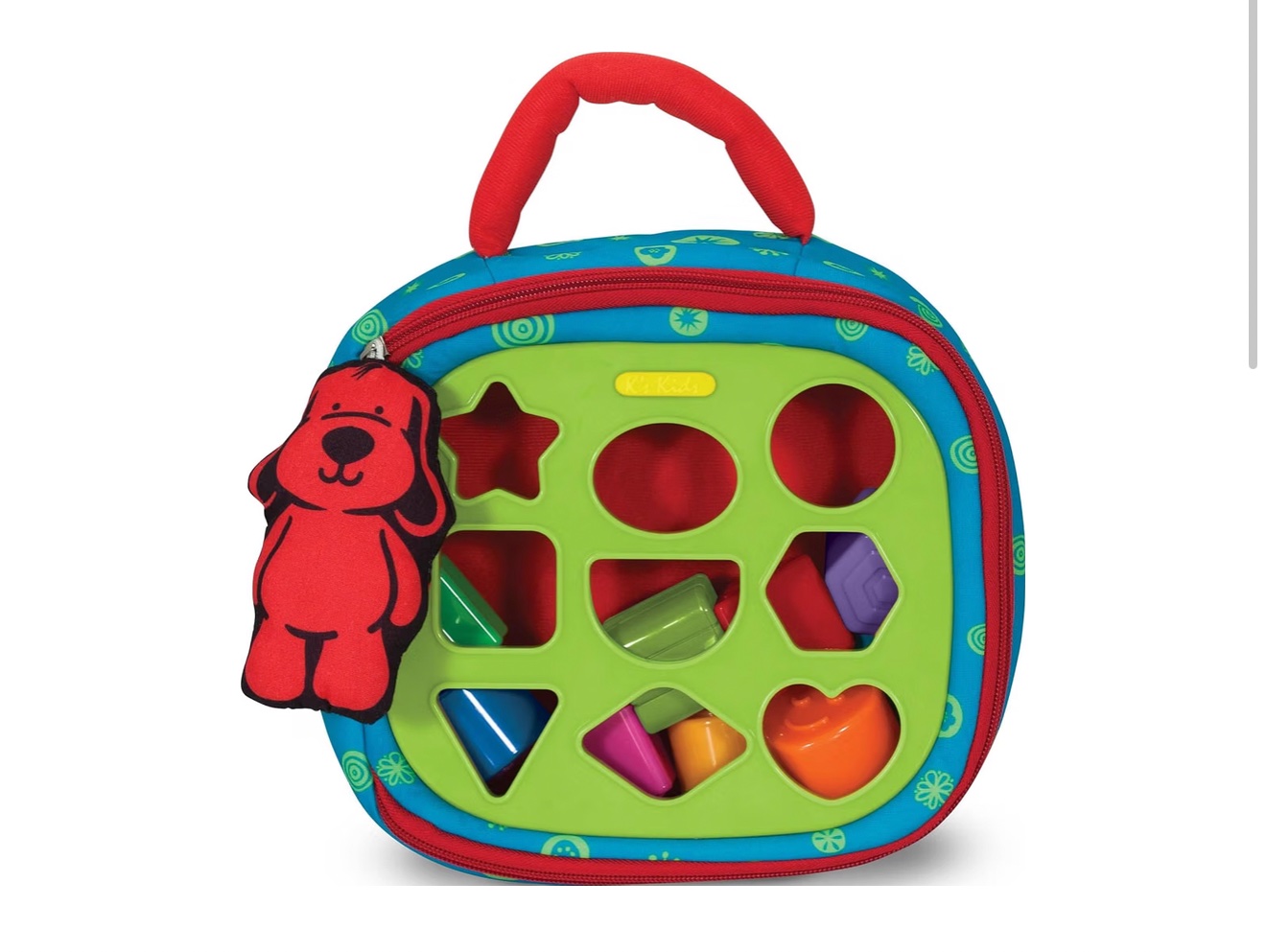
Melissa & Doug Take-Along Shape Sorter on Amazon
Best for: 9 months to 3 years — shape sorting, textures, and fine motor work in a travel-friendly package.
Melissa & Doug Pets Wooden Chunky Puzzle (8 Pieces)
The right first puzzle. Eight extra-thick wooden animals — cat, dog, bird, and friends — with big easy-grasp shapes and a full-color picture under every piece. It builds fine motor control, hand-eye coordination, visual matching, and animal-name vocabulary, and the chunky pieces stand upright so they double as play figures. It’s the rare toddler toy that looks nice enough to leave out.
The honest limits: eight pieces means a two-year-old will master it, and then it’s a toy they play with rather than a puzzle they solve — which is fine, but don’t expect a long puzzle lifespan. The pieces will migrate under the couch. And it’s wood, so it survives drops but not the dishwasher.
Typically around $12–15.
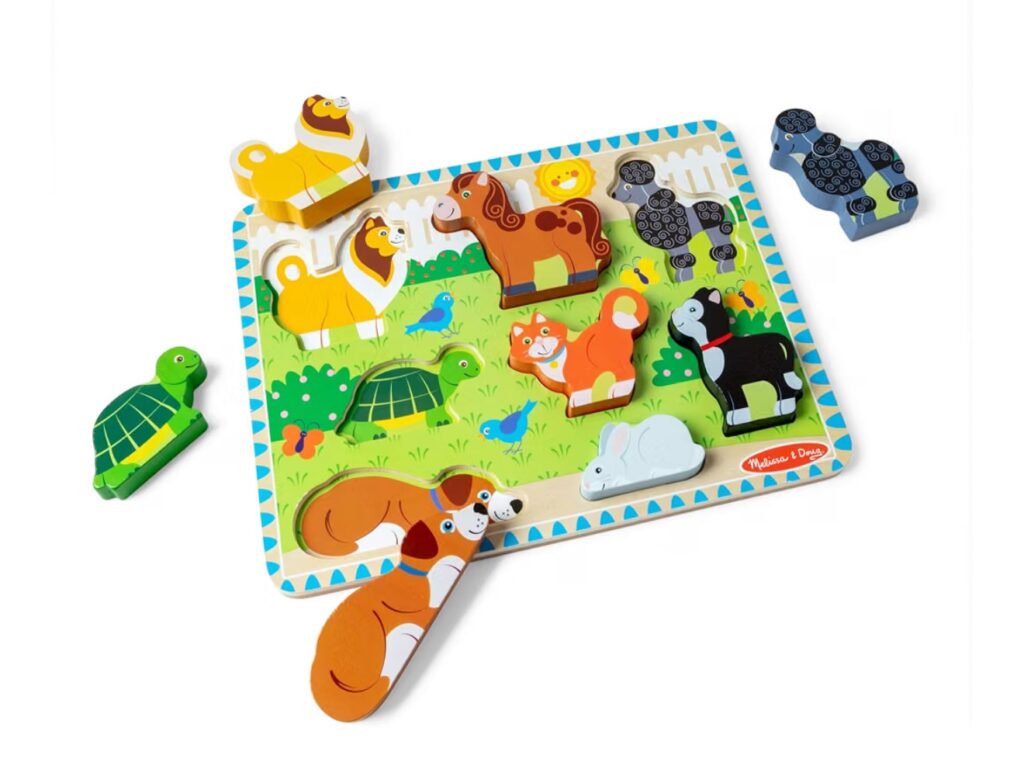
Melissa & Doug Pets Wooden Chunky Puzzle on Amazon
Best for: Ages 2 and up — the first real puzzle, chunky enough for toddler hands.
Melissa & Doug Band-in-a-Box Clap! Clang! Tap!
Ten real instruments in a wooden crate — tambourine, cymbals, maracas, triangle, tone blocks, and more. It builds rhythm and timing, bilateral coordination (two hands doing different things), auditory discrimination, and cause-and-effect, and it’s one of the best group-play gifts: hand every kid an instrument and you’ve got a parade. Everything stores back in the sturdy crate, which matters more than it sounds.
The honest limits: it’s loud. Gloriously, unapologetically loud. If the household has noise limits or a napping baby, think carefully. The manufacturer says ages 3 and up — for younger toddlers, stick to the shakers and skip the cymbals, and supervise the small pieces. Some instruments will get more love than others; the triangle always loses.
Typically around $25–40.
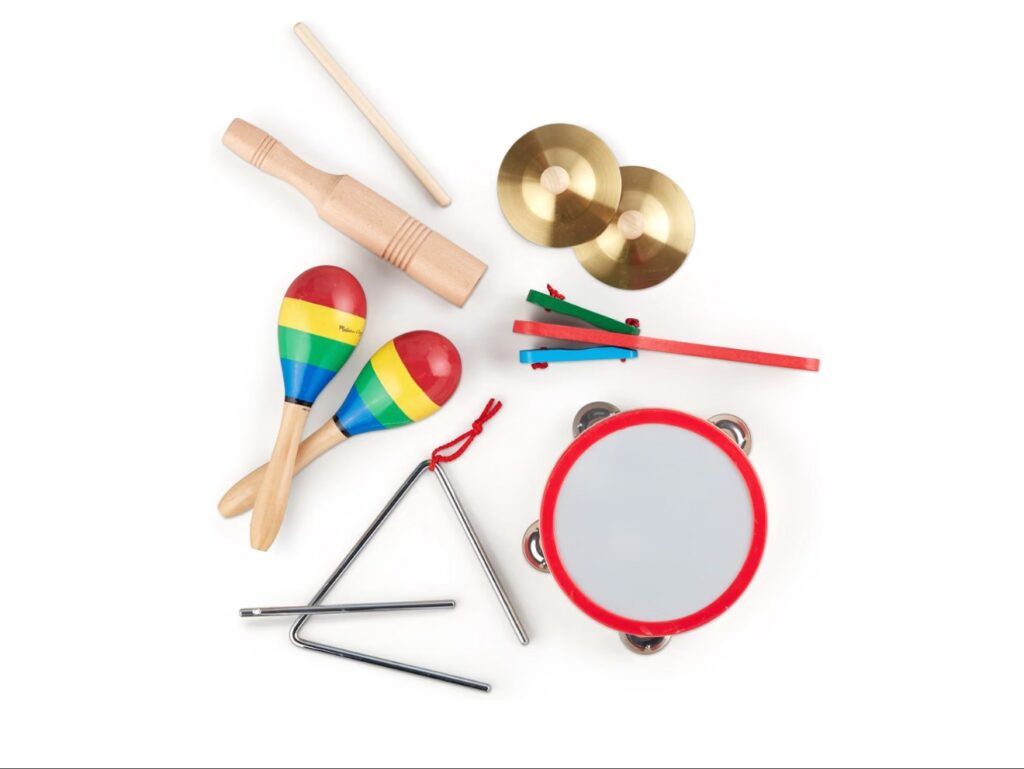
Melissa & Doug Band-in-a-Box Clap! Clang! Tap! on Amazon
Best for: Ages 3 and up — the gift that turns the living room into a marching band (for better or worse).
Preschoolers (3–4 Years)
Magna-Tiles Classic 32-Piece Set
If I could only recommend one preschool toy, this would be it. Magnetic tiles that click together into houses, towers, ramps, and whatever a four-year-old’s brain invents. It builds spatial reasoning, creativity, fine motor control, bilateral coordination, and early math concepts (shapes, symmetry, counting). It’s one of the few toys that genuinely grows with the child — a 3-year-old makes flat patterns while a 7-year-old engineers castles. Certified STEAM toy, and the magnets are safely secured inside.
The honest limits: it’s an investment, and 32 pieces is a starter set — kids always want more, so expect expansion sets on future wish lists. The 3+ age rating is real: the pieces contain small magnets, so keep them away from mouthing younger siblings. And tile structures collapse dramatically, which is either hilarious or devastating depending on the child.
Typically around $50–55.
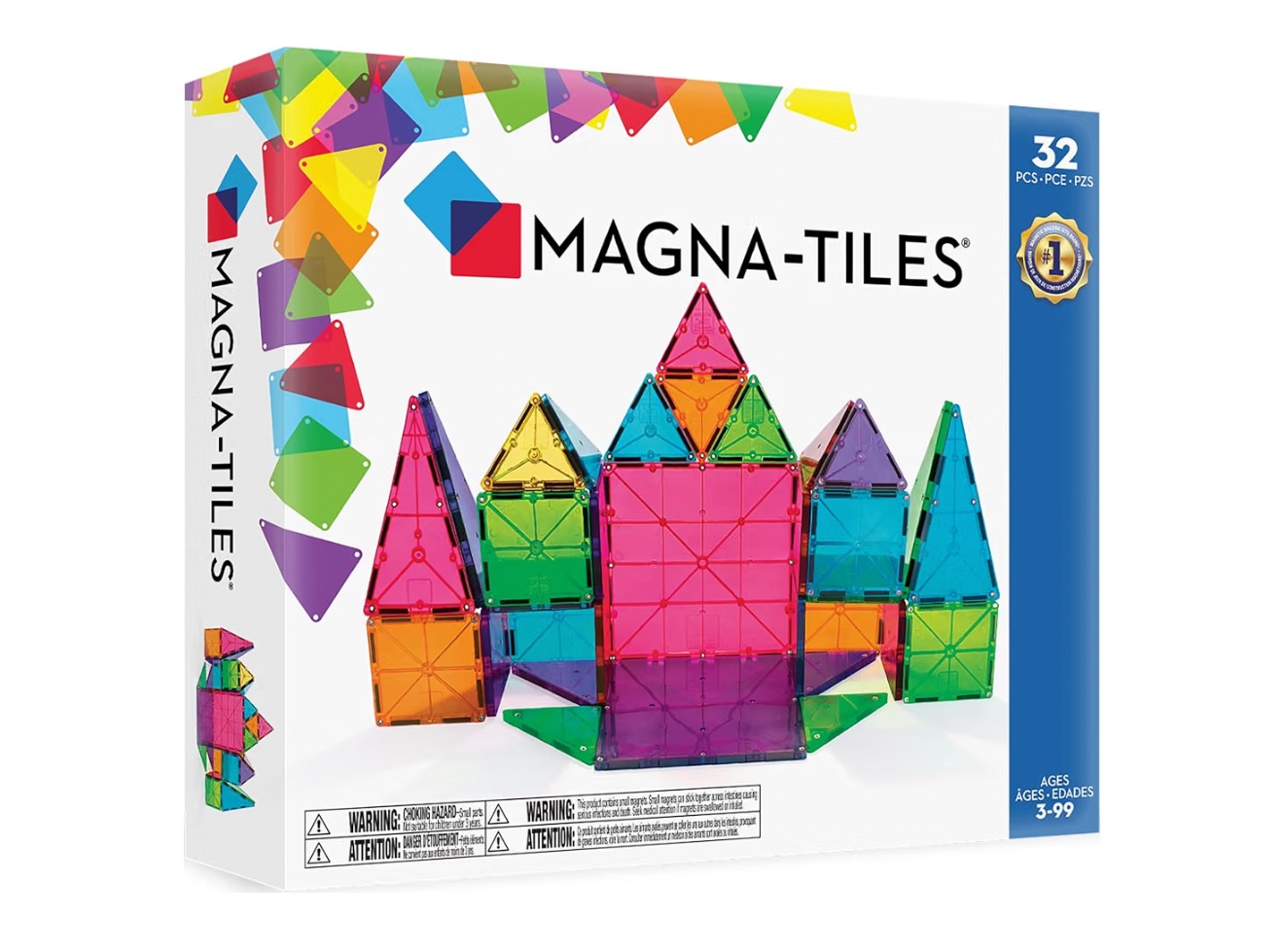
Magna-Tiles Classic 32-Piece Set on Amazon
Best for: Ages 3 and up — the open-ended building toy with the longest play lifespan on this list.
Play-Doh Modeling Compound 10-Pack
The unglamorous workhorse of fine motor development. Squeezing, rolling, pinching, and flattening dough builds hand strength and finger dexterity better than almost anything you can buy — and hand strength is what handwriting is built on. Ten 2-ounce cans in ten colors means enough for siblings, friends, and the inevitable color-mixing experiments. It’s cheap, it’s classic, and kids never seem to tire of it.
The honest limits: the colors will mix into brown within a week; accept this now. Leave a can open and it dries into a brick. It contains wheat, so check for gluten/wheat allergies before gifting. And it will end up in carpet — keep play on a tray or table and you’ll be fine.
Typically around $8.
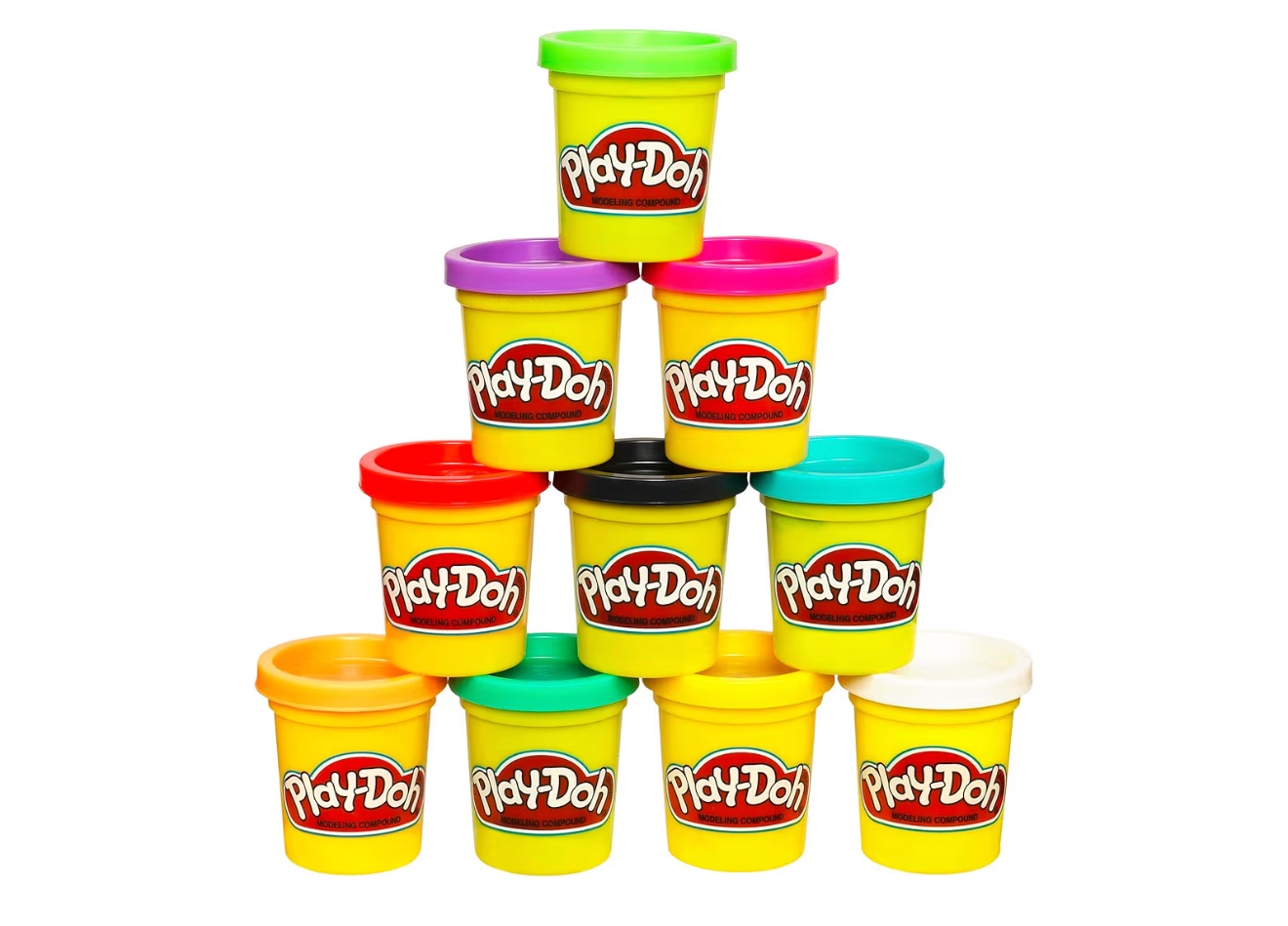
Play-Doh Modeling Compound 10-Pack on Amazon
Best for: Ages 2 and up — hand strength, creativity, and sensory play for less than ten dollars.
Educational Insights The Sneaky, Snacky Squirrel Game
The first board game I’d actually recommend, and the one I suggest to families more than any other. Spin the spinner, squeeze the matching acorn with the squirrel-shaped squeezer, and be the first to fill your log. It builds color matching, turn-taking, counting, and — the sneaky OT benefit — hand strength and fine motor control from the squeezer, which is pre-handwriting work disguised as play. No reading required, 2–4 players, about 15 minutes.
The honest limits: the squeezer is the whole point and also the weak link — a child with very low hand strength may struggle, so help without taking over. Losing an acorn to the “sneaky” spin can genuinely upset a three-year-old; it’s a good first lesson in losing gracefully, but expect some coaching. Small acorns mean ages 3 and up, no exceptions.
Typically around $15–22.
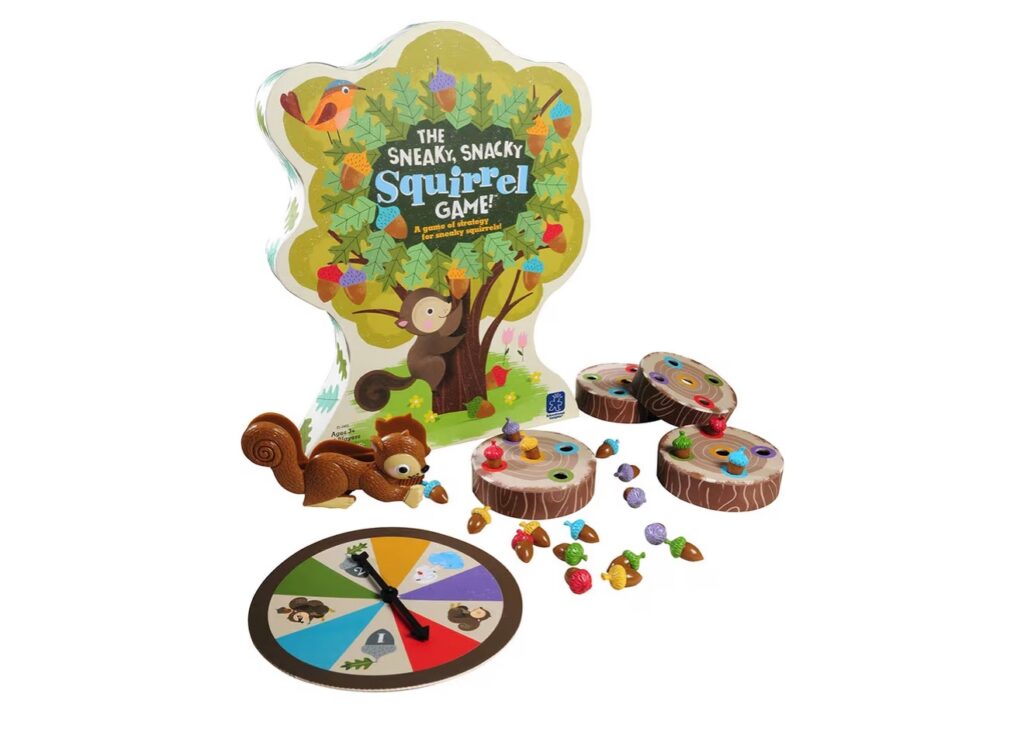
Educational Insights The Sneaky, Snacky Squirrel Game on Amazon
Best for: Ages 3 and up — the first board game, and secretly a hand-strengthening tool.
Melissa & Doug Deluxe Standing Art Easel
A real art station sized for small people. Double-sided — chalkboard on one side, dry-erase on the other — with a locking paper roll for painting, four clips, two trays, and a child-safe paper cutter. Standing to draw builds shoulder stability and a better pencil grip (therapists call it working on a vertical surface, and it’s genuinely good for pre-writing). It folds flat for storage and adjusts in height, so it lasts a few years.
The honest limits: it’s furniture, not a toy — it needs floor space and a grown-up to assemble it. Paint, paper, chalk, and markers are sold separately, so budget for the easel accessory kit or your own supplies. And it will become the most-used thing in the house or an expensive drying rack; there’s no middle ground.
Typically around $70–90.
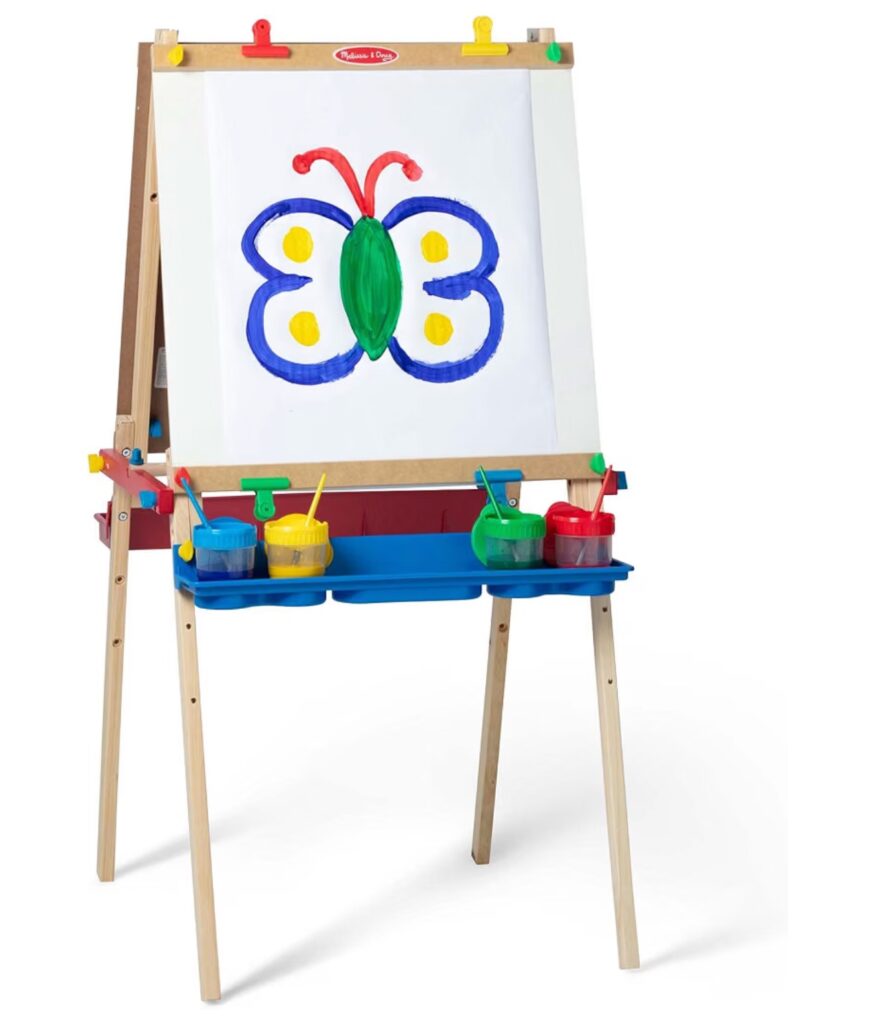
Melissa & Doug Deluxe Standing Art Easel on Amazon
Best for: Ages 3 and up — the big gift for the kid who draws on everything (now they can).
Early Elementary (5–7 Years)
LEGO Classic Medium Creative Brick Box (10696)
The graduation from toddler blocks. 484 pieces in 35 colors with windows, wheels, eyes, and a green baseplate — no instructions to follow, just build. It builds fine motor precision, creativity, planning, and persistence (the good kind of frustration when the tower falls). The storage box it comes in is genuinely useful, which matters because 484 pieces are 484 opportunities to step on something sharp at midnight.
The honest limits: the pieces go everywhere — buy a storage system or accept the chaos. Small pieces mean it’s a choking hazard for younger siblings, so it’s a supervised-play gift in mixed-age houses. And some kids want the themed sets with instructions rather than free-building; know your kid.
Typically around $35–40.
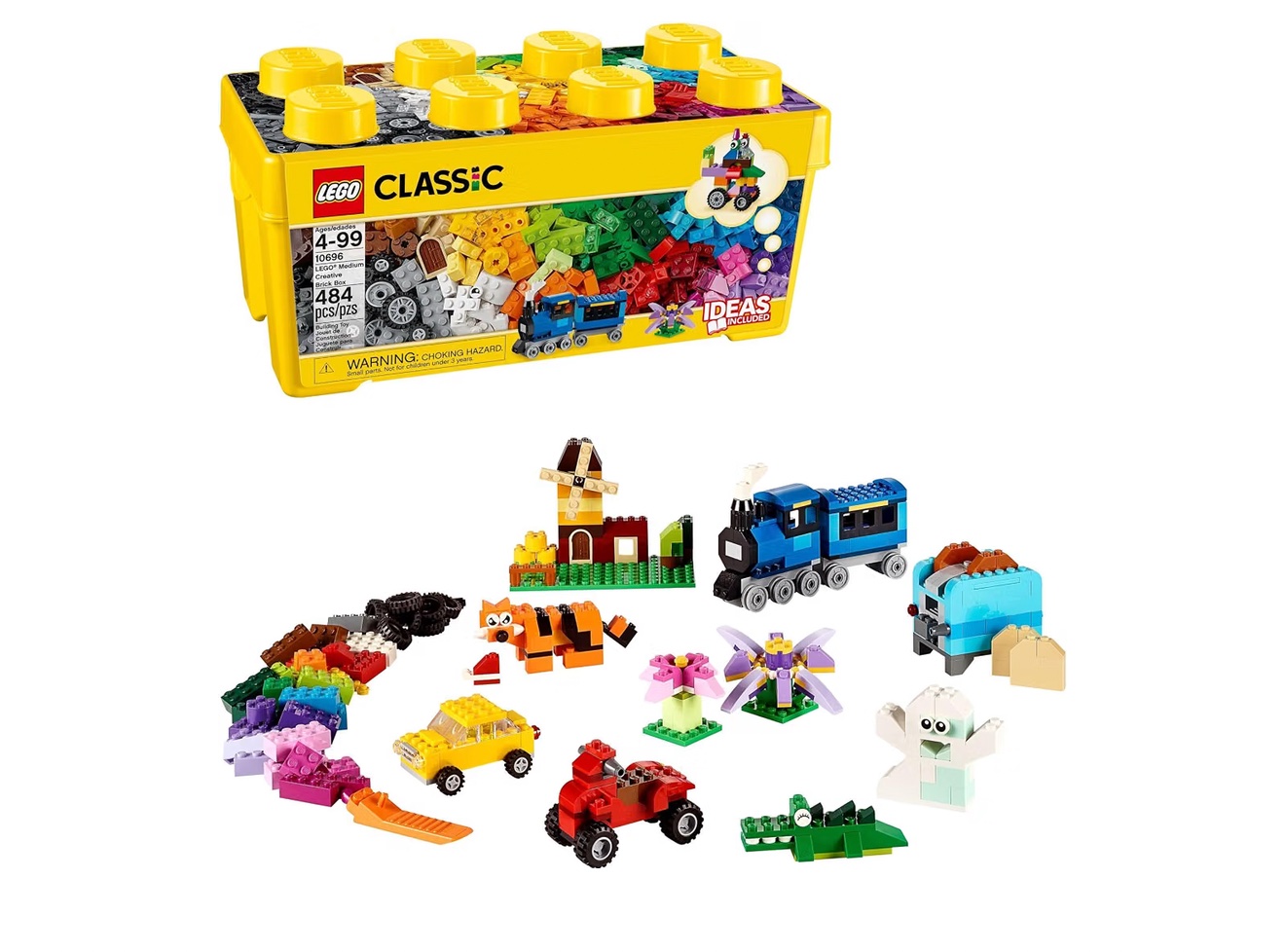
LEGO Classic Medium Creative Brick Box on Amazon
Best for: Ages 4 and up — the creativity gift for kids ready to move beyond toddler blocks.
Stomp Rocket Original Dueling Rocket Launcher
The best active-play gift I know for this age. Kids run, jump, and stomp on the launch pad to send foam rockets up to 200 feet in the air. It builds gross motor skills, leg strength, and coordination — plus early STEM thinking (stomp harder, rocket goes higher: force and trajectory in action). The dueling version comes with two launch pads, so siblings or friends can compete, which means turn-taking and social play come free with purchase. No batteries, no screens, just physics.
The honest limits: you need outdoor space — this is not an apartment gift. Rockets land on roofs, in trees, and in the neighbor’s yard; buy knowing retrieval is part of the game. Wind matters more than kids expect. And the dueling stand is wonderful until two kids both want the same pad, so adult refereeing may be required.
Typically around $25–30 (the Amazon listing below is the dueling set).
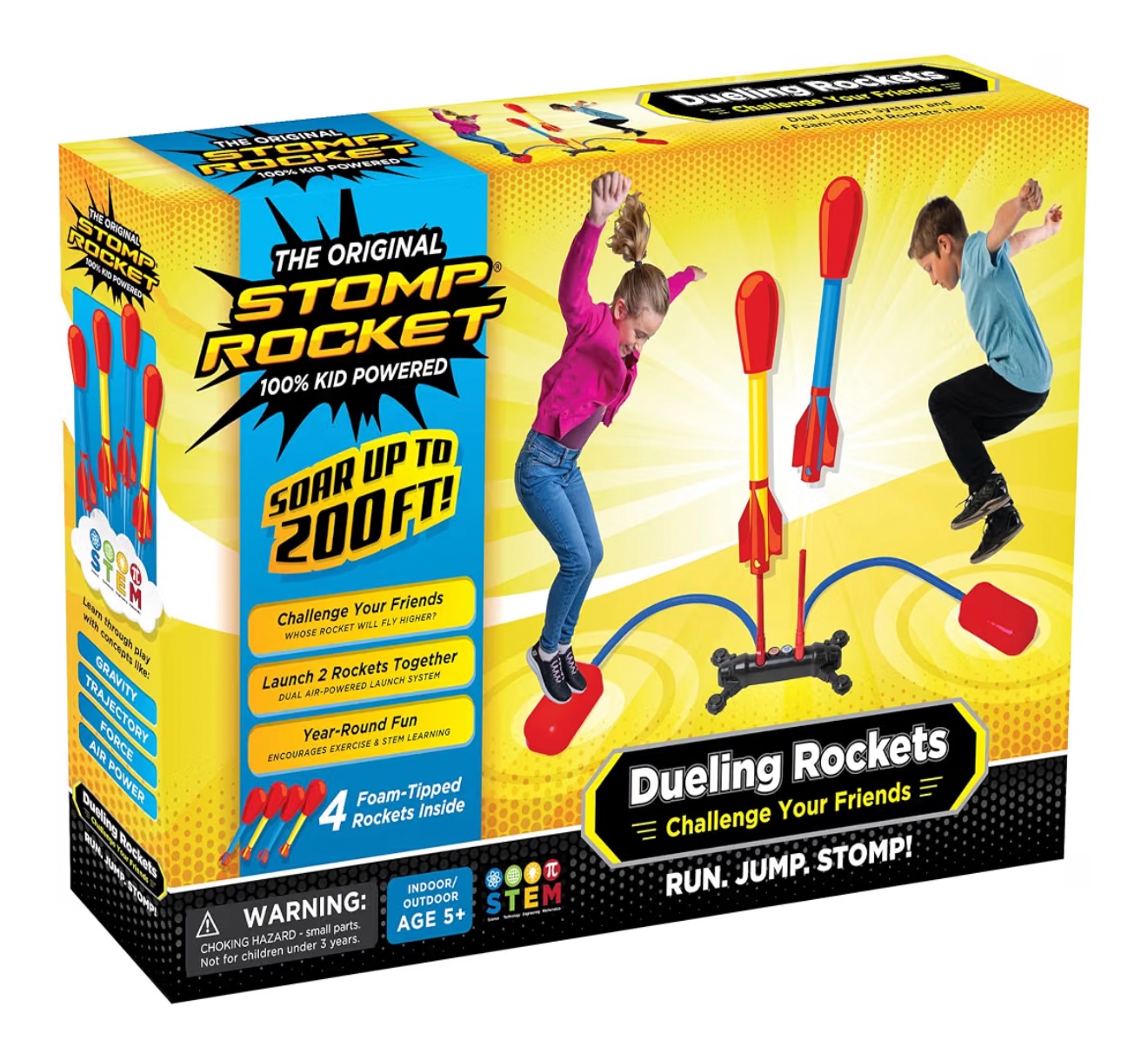
Stomp Rocket Original Dueling Rocket Launcher on Amazon
Best for: Ages 5 and up — big-body outdoor play that sneaks in a physics lesson.
Gamewright Sleeping Queens Card Game
Invented by a six-year-old, which tells you everything about its kid-appeal. Wake the sleeping queens — the Pancake Queen, the Cat Queen, ten napping nobles — by playing kings, knights, and jesters while dodging dragons and potions. It builds memory, basic addition (discard number cards that add up to wake a king), strategy, and turn-taking, all in about 20 minutes. The box says 8 and up, but plenty of six- and seven-year-olds play happily with a grown-up’s help the first few times.
The honest limits: the take-that cards (steal a queen, put someone back to sleep) can sting — sensitive kids may need a house rule or a different game. Younger players need help with the addition at first. And 79 cards in a small box means pieces wander; keep the rubber band.
Typically around $10–12.
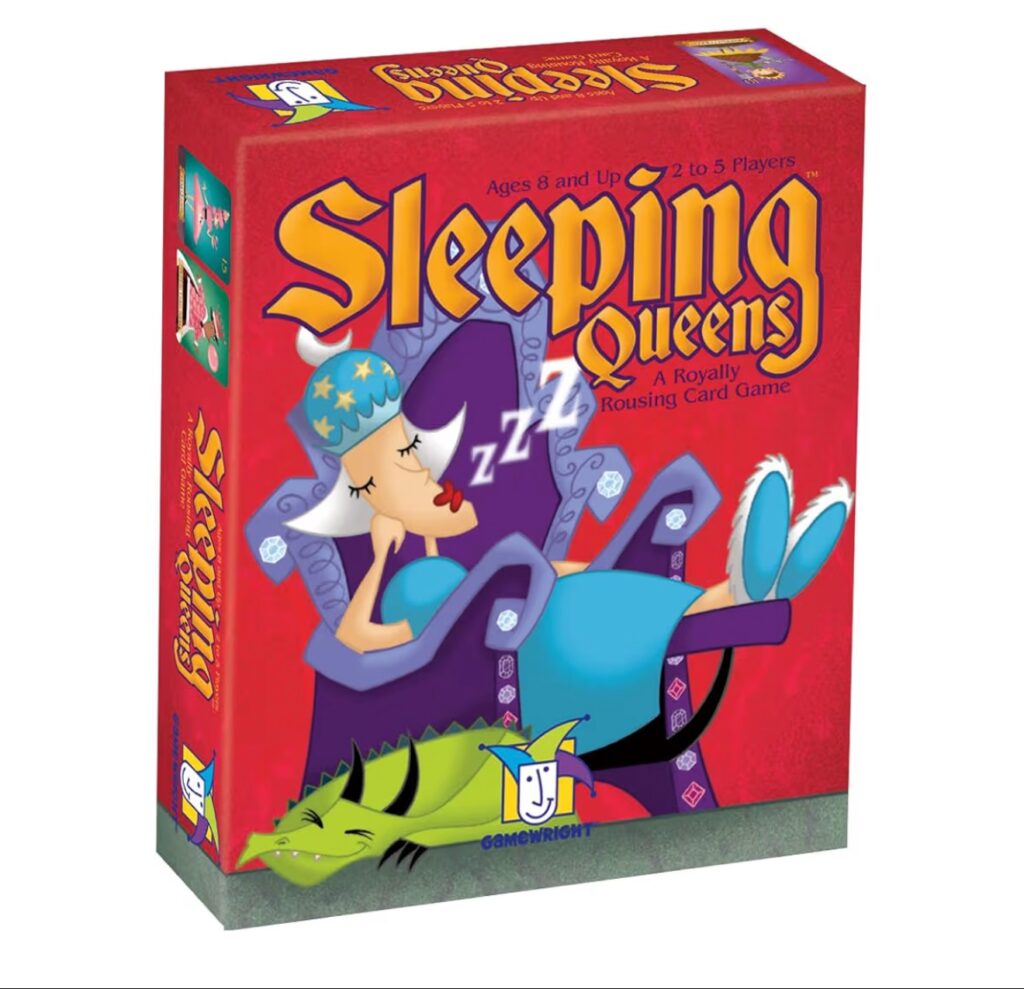
Gamewright Sleeping Queens Card Game on Amazon
Best for: Ages 6 and up (box says 8+) — the family card game that sneaks in math.
Crayola Inspiration Art Case (140 Pieces)
Everything in one case: 64 crayons, 40 washable markers, 20 colored pencils, and paper, all in a portable art box with trays and a handle. It builds fine motor control, creativity, and color experimentation, and the portability is the real gift — art at grandma’s, in the car, on the porch. Washable markers (not “washable-ish”) make it parent-approved. For the kid who is always drawing, this is the upgrade from the shoebox of broken crayons.
The honest limits: the case is the weak point — latches and trays wear out with heavy use, and once the organization breaks down it’s a jumble. The paper runs out long before the supplies do, so have a sketchpad ready. And 140 pieces sounds like a lot until a sibling “borrows” the good markers.
Typically around $25–35.
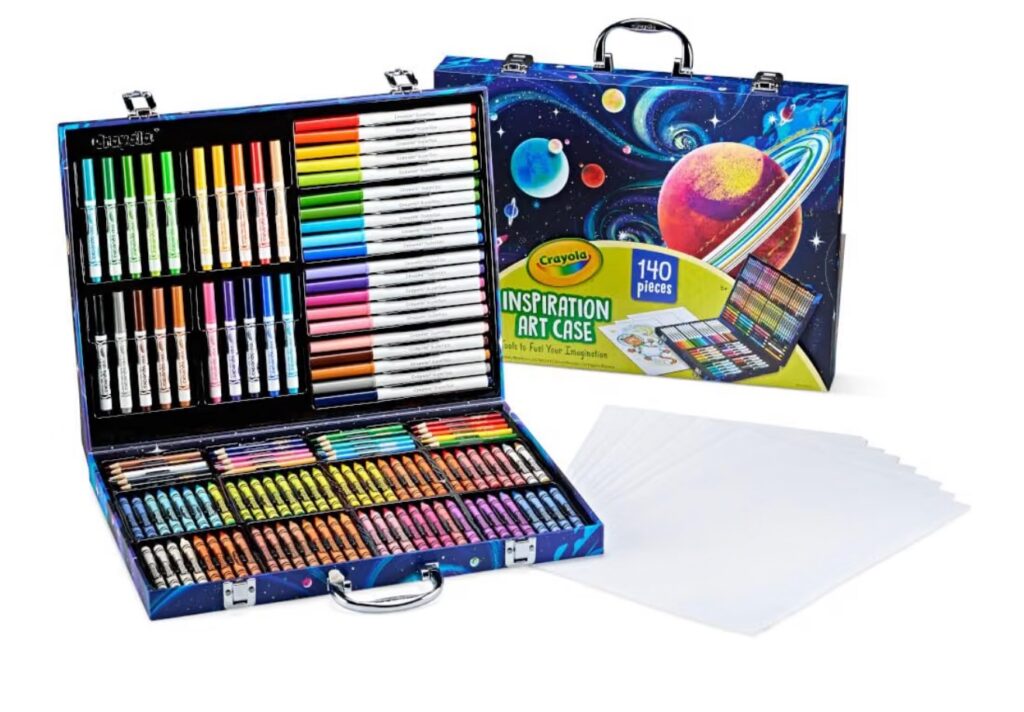
Crayola Inspiration Art Case (140 Pieces) on Amazon
Best for: Ages 5 and up — the complete art kit for the kid who never stops drawing.
Late Elementary (8–10 Years)
Perplexus Original 3D Maze Game
A sphere containing 100 tiny obstacles and one steel ball. Flip, twist, and spin your way along the numbered track without falling off. It builds fine motor control, visual-spatial planning, focus, and persistence — the good kind of hard. Kids who can’t sit still for homework will spend 45 minutes on this, which tells you everything about motivation and attention. It’s portable, silent, and endlessly replayable.
The honest limits: it is genuinely frustrating, and that’s the point — but kids who quit easily may bounce off it hard. When the ball falls, you go back to the start, which some kids find infuriating rather than motivating. Know your child’s frustration tolerance. The small steel ball stays sealed inside, but this isn’t for kids who still mouth objects.
Typically around $20–25.
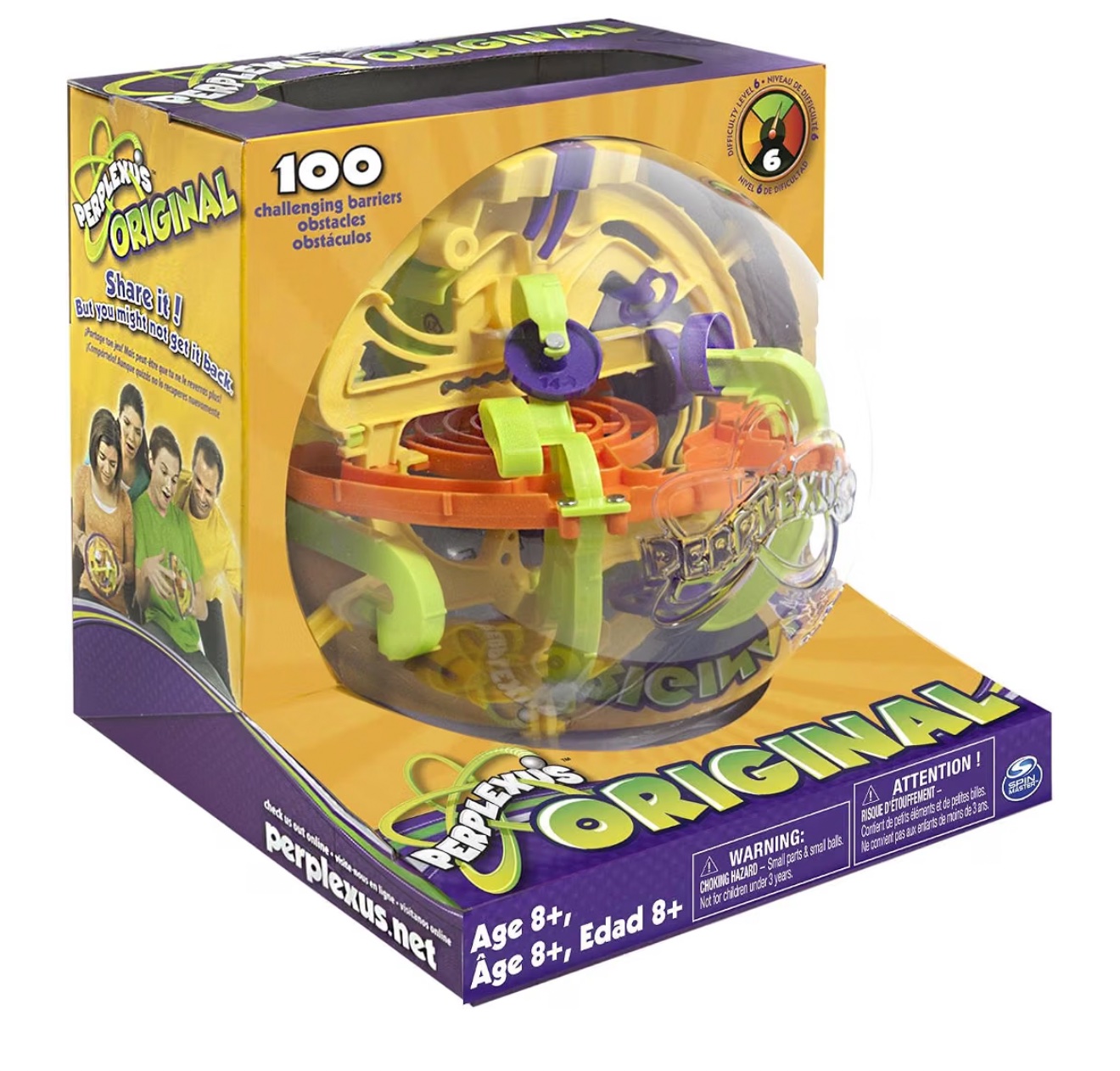
Perplexus Original 3D Maze Game on Amazon
Best for: Ages 8 and up — focus, patience, and fine motor control disguised as a game.
Snap Circuits Jr. SC-100 Electronics Exploration Kit
Over 100 real electronics projects — sound-activated switches, a musical doorbell, a flying saucer — built by snapping color-coded components onto a grid. No soldering, no tools. It builds STEM understanding, following multi-step instructions, problem-solving, and fine motor precision. Kids learn how circuits actually work by building things that actually work, which is a different kind of satisfying than anything on a screen.
The honest limits: younger 8-year-olds may need a grown-up’s help reading the manual and finding the right pieces. It requires AA batteries (not included, naturally). Small pieces can wander off, and a lost component can stall a project — keep the storage tray organized. This is a sit-down-and-focus gift, not a run-around gift; match it to the child.
Typically around $35–40.
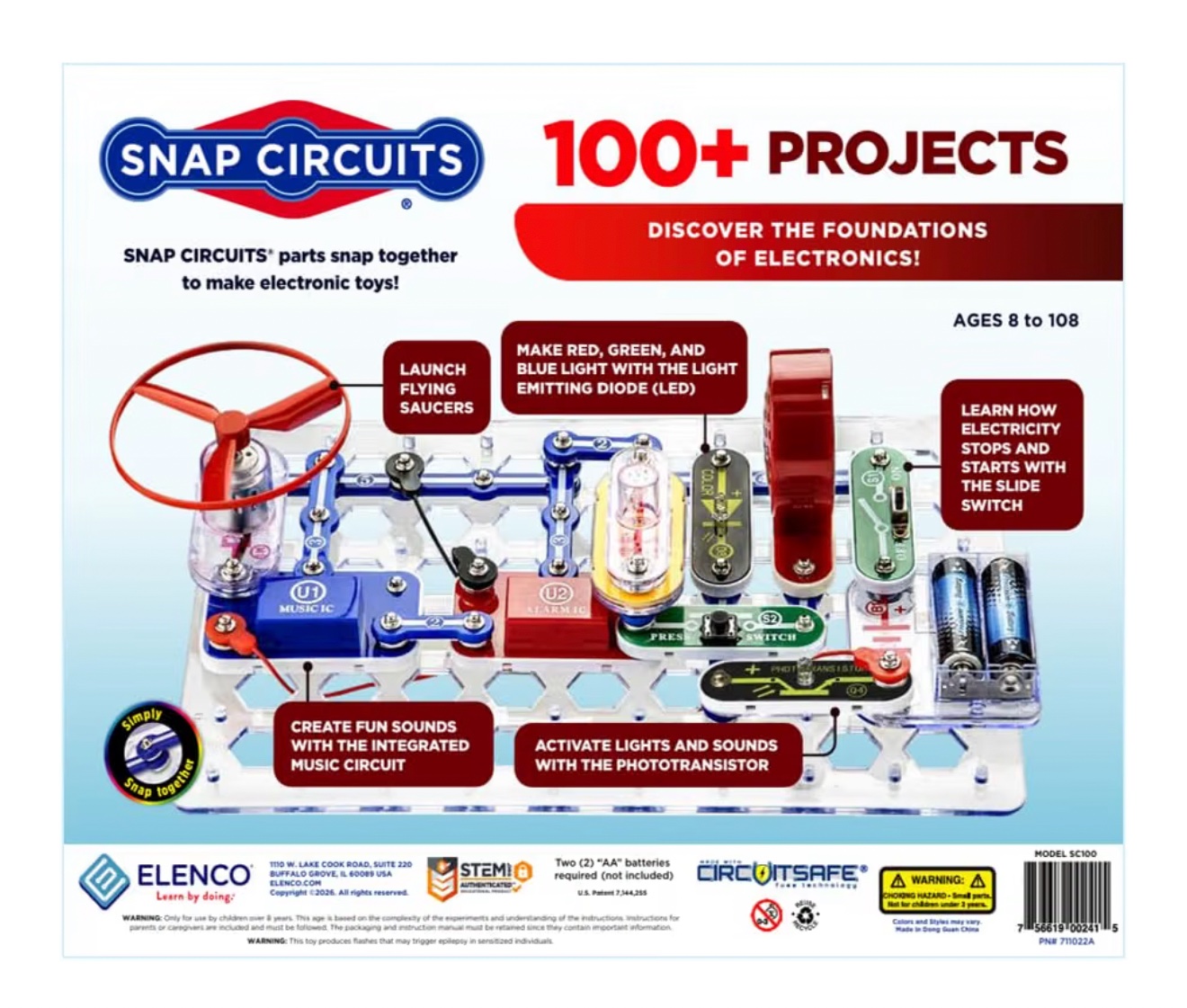
Snap Circuits Jr. SC-100 Electronics Exploration Kit on Amazon
Best for: Ages 8 and up — hands-on STEM for the kid who asks how things work.
National Geographic Magnetic Marble Run (75 Pieces)
A marble run you build on the fridge. Seventy-five magnetic track and trick pieces — funnels, spinners, a catapult, U-turns — that stick to any magnetic surface, plus 15 marbles and a learning guide on the physics. It builds engineering thinking, planning, problem-solving, and persistence (the marble WILL fall off; rebuilding is the game). The magnetic mounting means no floor footprint and instant reconfiguration, which keeps it fresh far longer than a floor-bound marble run.
The honest limits: the box recommends 10 and up — younger 8- and 9-year-olds can absolutely build with it, but expect a grown-up to help with the trickier layouts at first. Marbles are marbles: choking hazard for younger siblings, and they roll under everything. You need a good magnetic surface (fridge, whiteboard, filing cabinet); a weak fridge door limits the ambition.
Typically around $40–55.
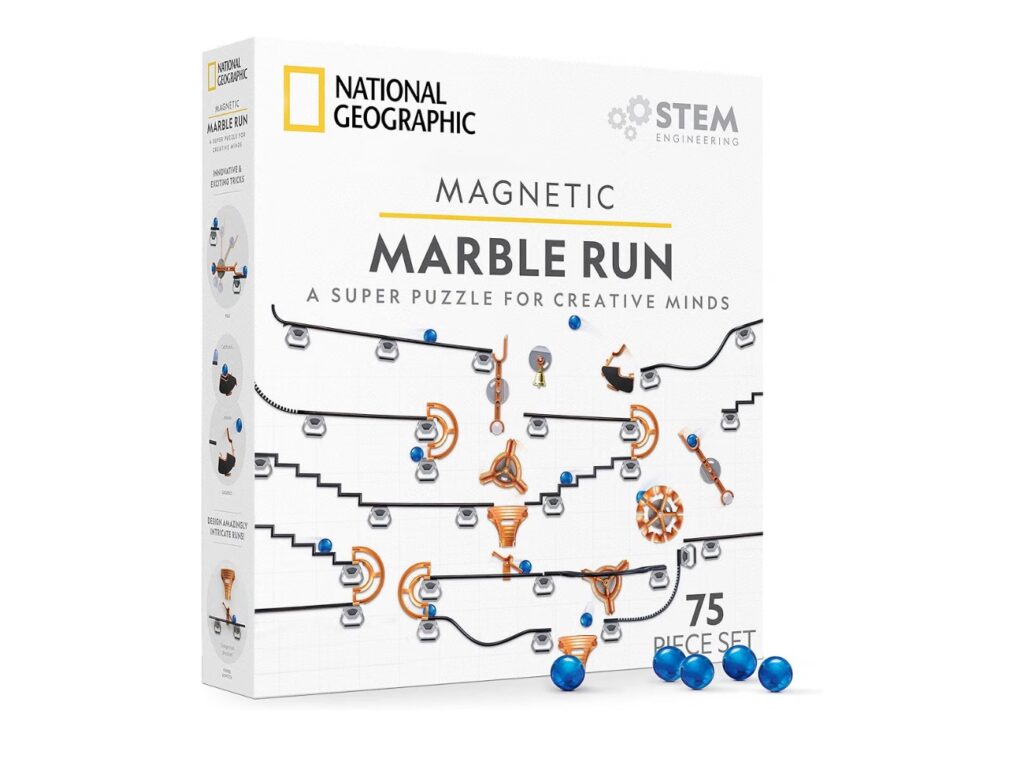
National Geographic Magnetic Marble Run (75 Pieces) on Amazon
Best for: Ages 8 and up (box says 10+) — engineering play that lives on the fridge.
Dpai Friendship Bracelet Making Kit
A braiding loom with movable pegs, threads, beads, and step-by-step instructions for making real knotted friendship bracelets. It builds fine motor precision, bilateral coordination, patience, and planning — knotting is genuinely demanding hand work, and finishing a bracelet is a real accomplishment. The loom holds everything in place, which is what makes this doable for kids instead of frustrating. Makes a great sleepover or rainy-weekend activity, and the finished bracelets get worn and traded.
The honest limits: this is a marketplace brand, not a big toy company — quality is decent but check recent reviews before buying. The beads are small, so it’s a choking hazard for younger siblings and a vacuum hazard for everyone. Younger or less patient kids will need help getting started; the first bracelet is the hardest.
Typically around $10–15.
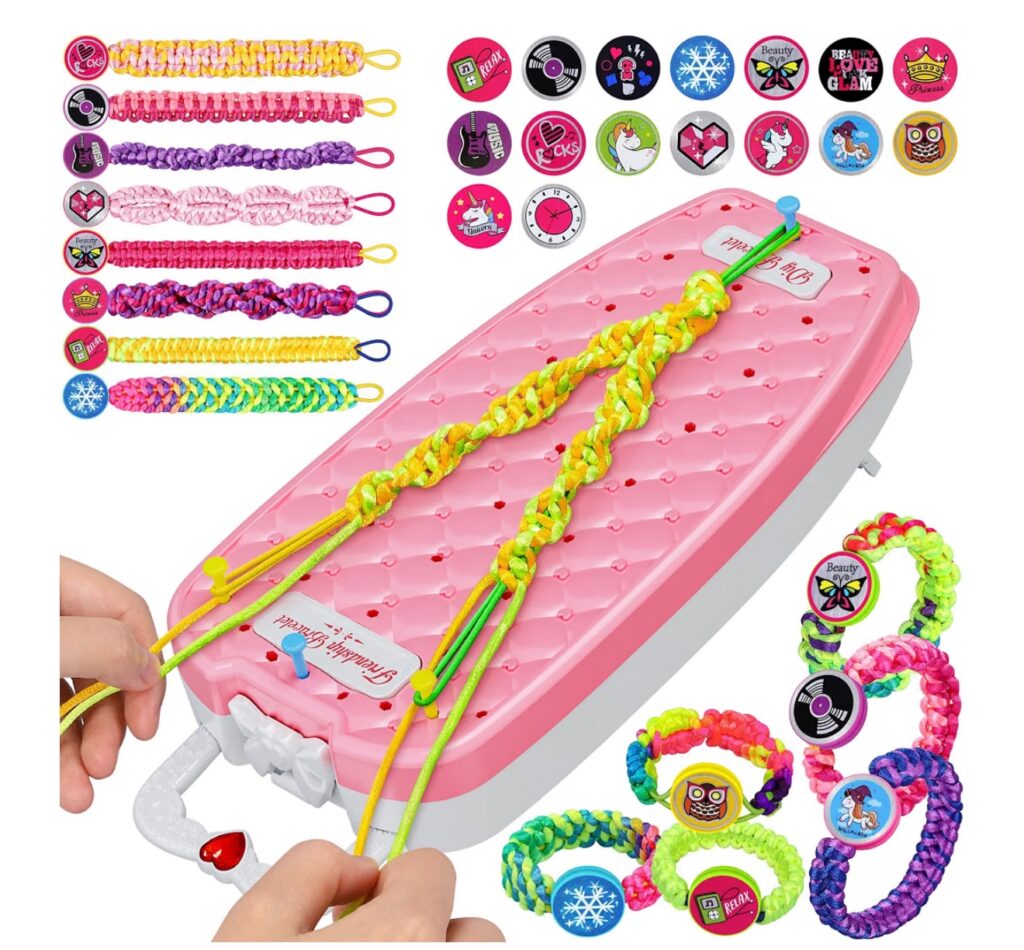
Dpai Friendship Bracelet Making Kit on Amazon
Best for: Ages 8 and up — the craft gift for the kid who makes things for their friends.
Tweens (11–12 Years)
National Geographic Mega Crystal Growing Lab
Grow 6 vibrant crystals in 3–4 days, then display them on a light-up stand. It builds science understanding (chemistry, geology), patience and delayed gratification, following multi-step procedures, and observation skills. There’s something genuinely magical about checking the growing chamber each morning — it’s one of the few gifts that creates anticipation across multiple days. Includes real crystal specimens and a learning guide, so it’s educational without feeling like homework.
The honest limits: it takes 3–4 days, which is an eternity for some tweens — this is a gift for the patient or the curious, not the instant-gratification kid. The growing powder is consumable, so it’s a one-time experience (the specimens and display stand live on). One step involves hot water, so an adult needs to help. Check the listing for the current version — the Amazon Exclusive 6-crystal lab is linked below.
Typically around $25–30.
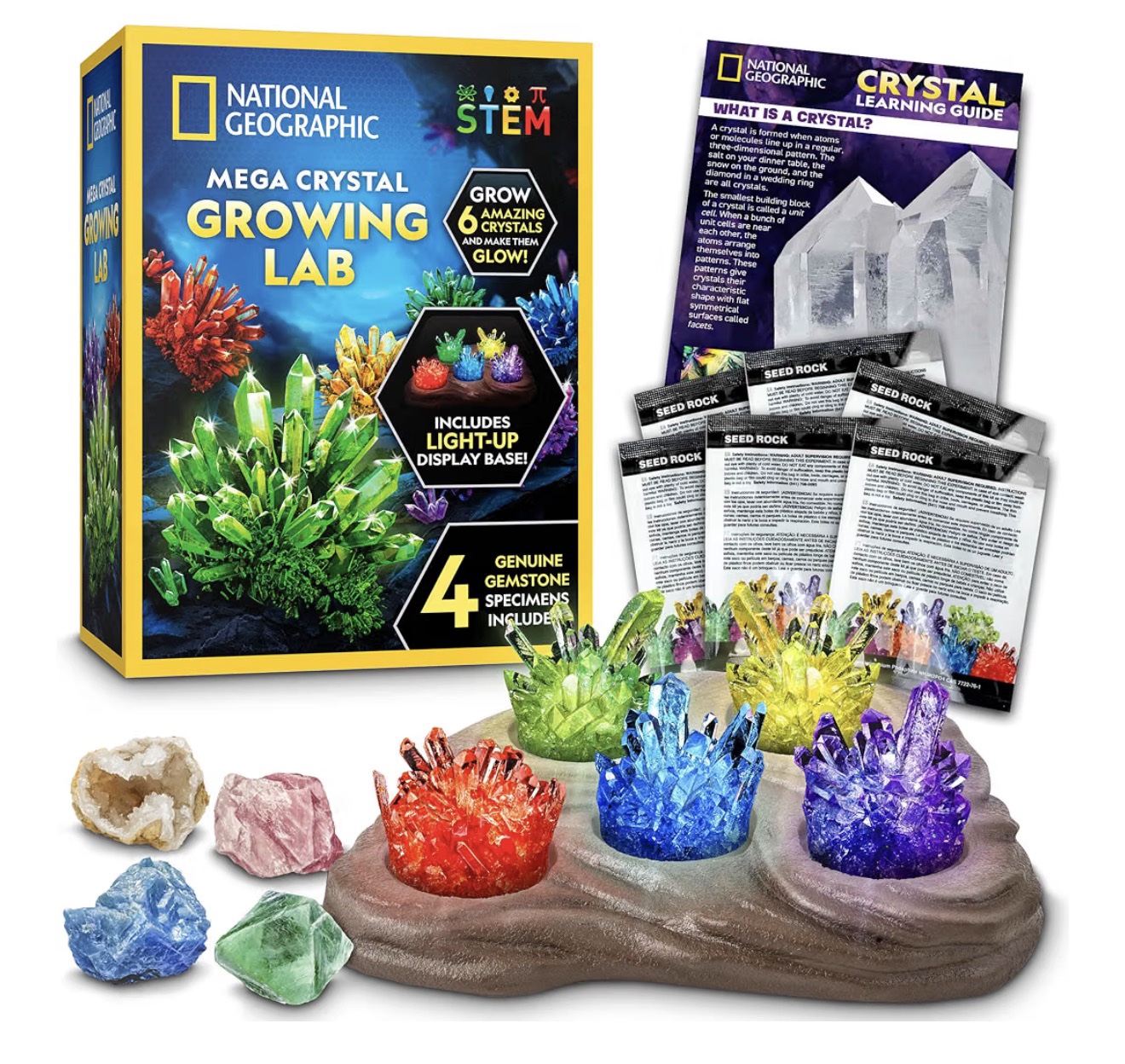
National Geographic Mega Crystal Growing Lab on Amazon
Best for: Ages 8–12 — the science gift for the curious tween who likes making things.
Spirograph Deluxe Design Set
The classic drawing toy, still excellent. Precision wheels, rings, and pens that turn patience into genuinely beautiful geometric art. It builds fine motor precision, focus, planning (which wheel with which ring?), and art confidence — there’s real satisfaction in a design that looks professional. The deluxe set comes with 19 wheels, 2 rings, design pens, paper, and a carry-along case with a built-in work surface, so it’s complete out of the box.
The honest limits: there’s a learning curve — the first few designs will slip and smudge, and the putty-and-pin setup takes practice. Kids expecting instant results may get frustrated; this rewards the methodical. Replacement paper and pens will be needed eventually. But for the artsy tween, or the anxious one who needs a calming focus activity, it’s wonderful.
Typically around $20–25.
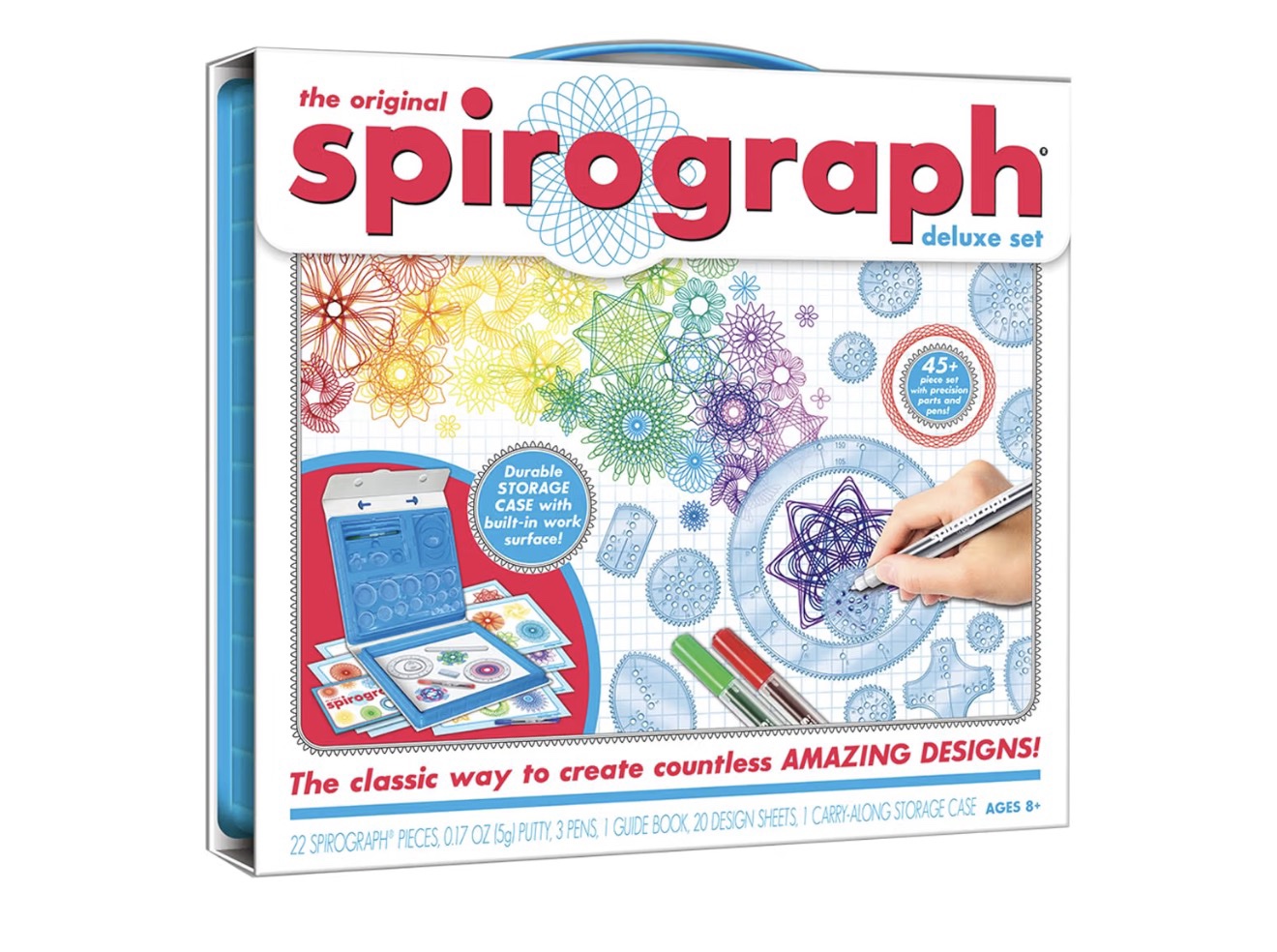
Spirograph Deluxe Design Set on Amazon
Best for: Ages 8 and up — precision, patience, and beautiful results for the creative tween.
Faber-Castell Graphite Sketch Pencil Set (6 Pencils)
Six artist-grade graphite pencils (2H through 6B) — the real tools for the tween who’s outgrown the #2. Different hardnesses mean real shading, real depth, real technique, and there’s something about being handed professional supplies that tells a kid their art is serious. It builds fine motor precision, observation, patience, and artistic confidence. Pairs beautifully with a sketchbook (which you should absolutely include). The box is marked for older teens and adults because it’s artist-grade, but there’s nothing unsafe about it — they’re pencils.
The honest limits: they’re just pencils — without a sketchbook or some guidance, they sit in a drawer. A tween who doesn’t already draw won’t start because of these; this is for the kid who’s already filling notebooks. Pencils need sharpening and they break if dropped; that’s the deal with real tools.
Typically around $10–14.
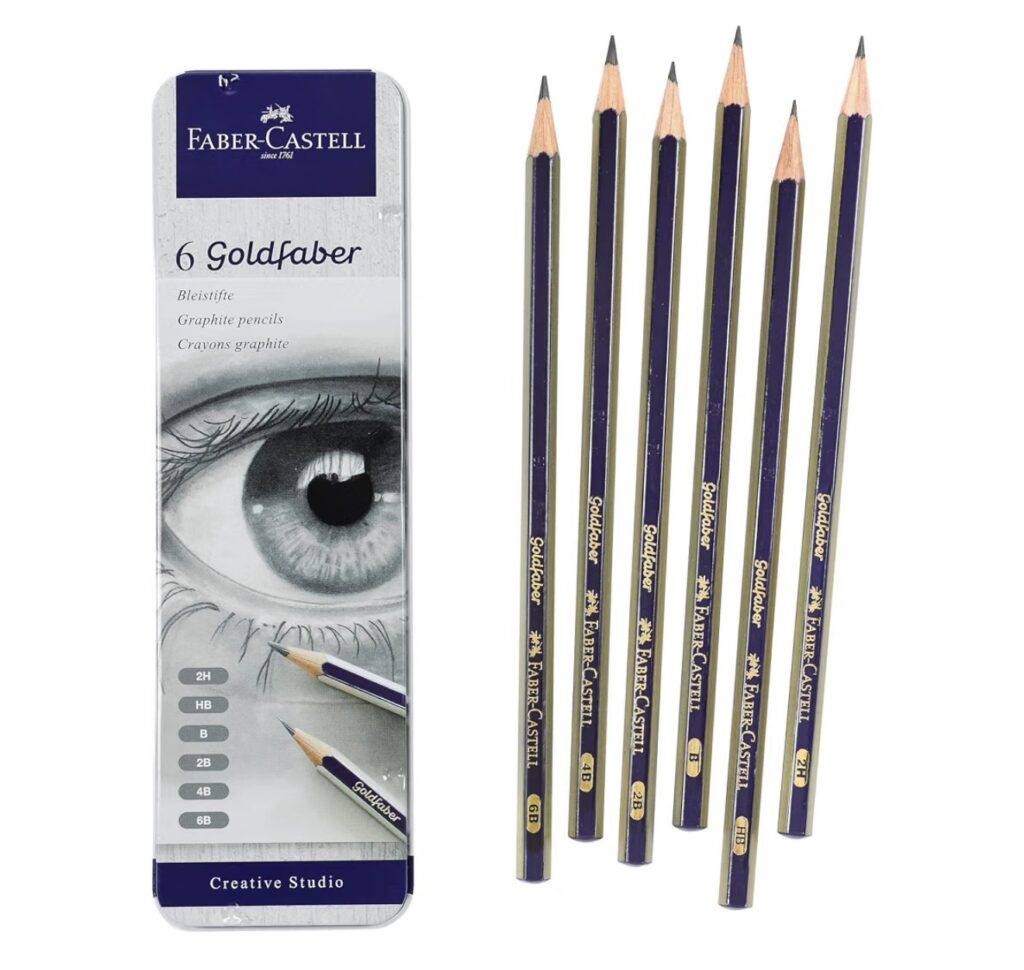
Faber-Castell Graphite Sketch Pencil Set on Amazon
Best for: Ages 11 and up — the serious-art-supplies gift for the tween who draws constantly.
Big Life Journal – Teen Edition
A guided growth-mindset journal for ages 11 and up — writing prompts, goal-setting activities, and exercises on resilience, gratitude, and self-talk, in a hardcover book that feels like it matters. It builds written expression, emotional literacy, reflection, and planning, and for the tween years — when everything feels enormous — having a private place to sort it out is genuinely valuable. It’s the rare gift that says “I take your inner life seriously.”
The honest limits: a journal only works if the kid writes in it — this is for the reflective tween, not one who’ll roll their eyes at prompts. Don’t read it; the privacy is the point, and saying so out loud matters. If your tween is going through something heavy, a journal is a support, not a substitute for talking to someone.
Typically around $20–25.
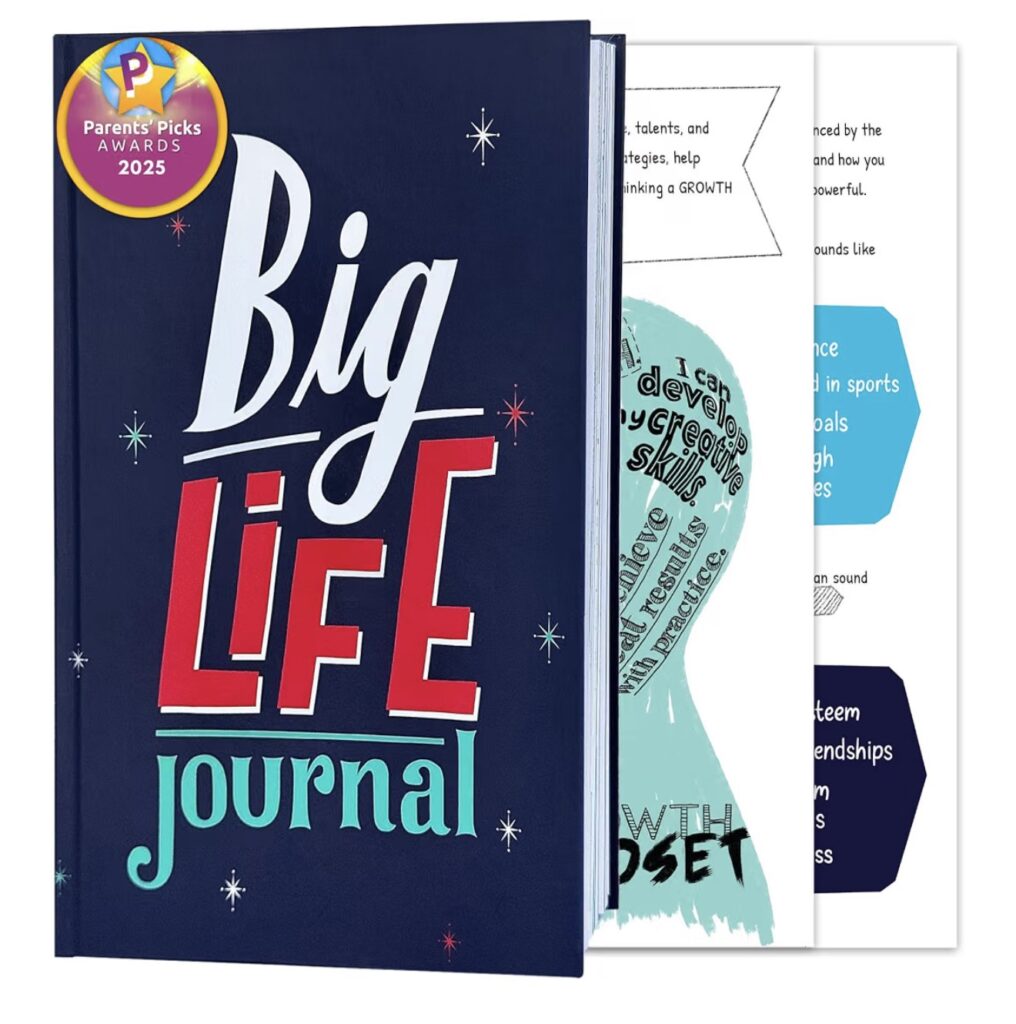
Big Life Journal – Teen Edition on Amazon
Best for: Ages 11 and up — the thoughtful gift for the tween who’s ready to reflect.
How to Choose
Match the gift to the child, not the age. Age bands are starting points. A cautious 6-year-old and a fearless 6-year-old need different gifts. Watch what the child actually does: builds, draws, climbs, takes apart, asks “why” — the play pattern tells you the gift.
Open-ended beats single-purpose. The best gifts on this list can be used a hundred ways. Blocks, dough, tiles, and art supplies get played with for years; a toy that does one trick gets played with for a week. When in doubt, pick the gift with more possible uses.
One quality gift beats five plastic ones. A $50 toy played with daily for two years costs less per hour than five $10 toys forgotten by January. Grandparents, I’m looking at you with love: one good thing.
Think about the grown-up too. Noise, mess, batteries, pieces, storage — the best gift is one the parent doesn’t dread. When you’re choosing between two good options, pick the quieter, tidier one. You’ll be thanked.
When NOT to buy: don’t buy above the age band for safety (small parts, magnets, and chemistry sets have real age floors). Don’t buy a gift the child has zero interest in just because it’s “educational” — the learning happens through play, and play only happens with buy-in. And if the house already has it, buy the expansion, not the duplicate.
FAQ
What if the grandparents want to buy electronics? Don’t fight it — redirect it. Suggest they pair the electronic gift with one from this list, or ask them to fund the “experience” version: art classes, a museum membership, swim lessons. Most grandparents just want to see a big smile; give them a specific link and they’ll be relieved not to guess.
How much should I spend? There’s a great gift at every price on this list — from under $10 (Rock-a-Stack, Play-Doh) to around $50 (Magna-Tiles). Set your budget first, then pick the best developmental value inside it. And remember: one $40 gift beats four $10 ones.
My kid only wants the popular toy from TV. What do I do? Let them have one “want” gift — childhood is short, and joy matters. Then add one gift from this list as the “you didn’t know you wanted it” surprise. In my experience, the surprise gift is the one they’re still playing with in March.
Are these good for kids with developmental delays or special needs? Often, yes — but match the gift to the child’s developmental stage, not their birthday age. A 7-year-old working on early fine motor skills may get more from the toddler picks than the 8–10 ones, and that’s exactly right. If you’re unsure, your child’s OT or teacher can help you pick.
The OT Review may earn a commission on purchases made through links on this page, at no extra cost to you.